Hawaiʻi invasive plant management · a working prototype
Teaching a machine to recognise an invasive plant in the field.
A seed in a shipping container. A seedling on a trailhead. Something in a soil sample at a port of entry. Somebody has to name it, decide whether it belongs here, and act before it establishes — often without a specialist on hand.
That is what this is for. Hawaiʻi already holds the material to teach it: a century of pressed plants at the Rock Herbarium and a laboratory that has measured and photographed the seed of hundreds of native species. This site turns that into training data, and shows the machinery working rather than describing it.
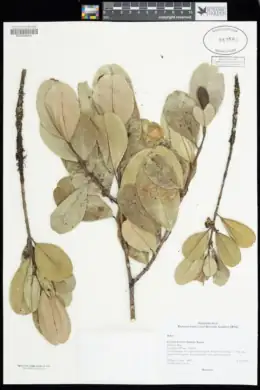
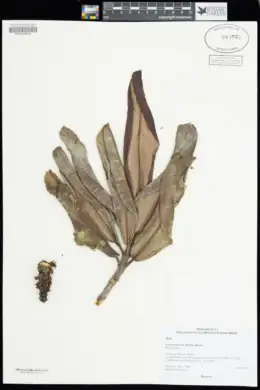
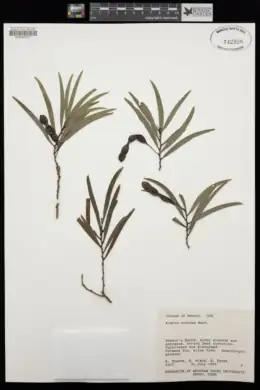
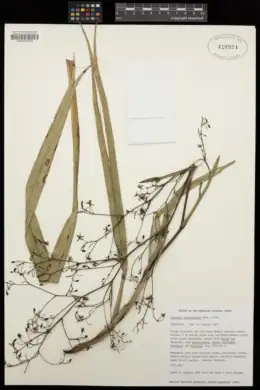
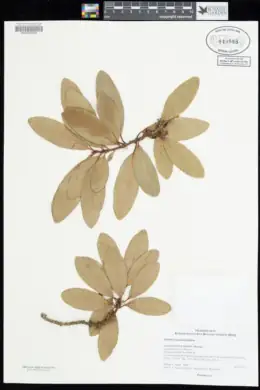
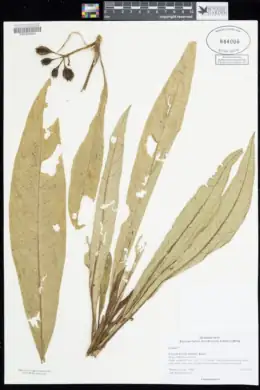


Two collections, one problem — pressed plants and measured seed
Where this ends up
A model that identifies a plant or a seed where it is found, not where it is filed.
At a port of entry
An inspector opens a container and finds seed in the dunnage. A photograph returns ranked candidates and a confidence, or says plainly that it cannot tell — which is when a specialist gets called rather than a case being closed wrongly.
On a trail or a fence line
A crew finds something they do not recognise at 1,200 metres on East Maui. The tool names the likely candidates and says whether this is the month it sets seed, which decides what happens next.
In a soil or seed lot sample
A quarantine laboratory screens a consignment. Measured references for native and non-native seed let an unknown be checked against what belongs here as well as what does not.
None of those can be answered by a database lookup, because the person holding the thing does not yet know what it is. They need a model — and a model needs labelled examples of Hawaiian plants and Hawaiian seed, photographed and measured to a consistent standard. That material is what the herbarium and the seed laboratory already hold, and what the three sections below turn into a training set.
- 01
Phenology
When is it reproducing?
Month-by-month timing by island, so a crew knows whether a population is still ahead of seed set. Built from field photographs and museum specimens, with the record count behind every answer shown plainly.
16 species with a Hawaiian calendar · 1,093 field records
Open phenology → - 02
Herbaria
What can a machine learn from a specimen?
A century of pressed Hawaiian plants is the training set. The software that finds, reads and scores them runs on this page — including a model you can train yourself in half a second.
8,590 Hawaiian specimens · 56 museums
Open herbaria → - 03
Identification
What is this, and does it belong here?
The field tool. Describe or photograph an unknown seed and get ranked candidates against measured native and invasive references — with an explicit unresolved when nothing is close enough to name.
38 species in the key · imaging standard set
Open identification →
Nothing here is a mock-up
Every specimen was pulled from a museum that publishes its collection openly. Every field record was made by a named person and carries their licence. Every number below counts something real.
- 8,590
- Hawaiian specimens
- 1,093
- field observations
- 1,918
- species
- 8
- islands
- 56
- museums
- 1770–2026
- years covered
The gap this closes
Records say “fruiting.” None say whether the seed was ripe.
Every museum field and every observation vocabulary uses the same coarse word. We checked. Not one distinguishes green, unripe fruit from fruit already dropping viable seed.
That is the distinction control work turns on. It cannot be looked up, because nobody wrote it down — but it is plainly visible in the photograph. Which is why this project trains a model to see it, and pays people who know plants to teach it.
What a crew leader does differently
- FloweringNo seed yet. Treatment now costs nothing in spread.
- Green fruitThe window. Remove the plants and the seed crop goes with them.
- Ripe fruitToo late to prevent. Mowing or hauling now moves live seed to new ground.
Only the first can be answered from existing records. The other two are what this project adds.
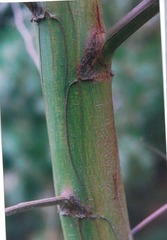 fruiting
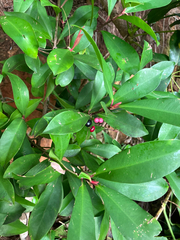 fruiting
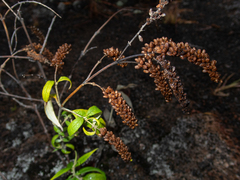 fruiting
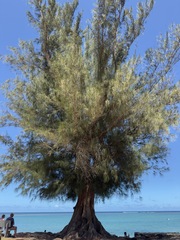 fruiting
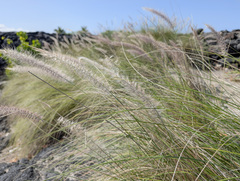 fruiting
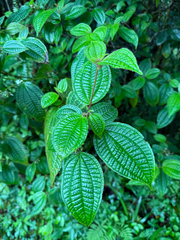 fruiting
Field photographs recorded in fruit · Darcy Kehler, Sean Ford, Ocean Fleskes, Dulcey Lima and others, licensed under Creative Commons