Two of three · the specimen collection
Reading a century of pressed plants
Museums hold Hawaiian plants collected as far back as 1792, each one photographed and each one showing plainly what it was doing on the day it was picked. Almost none of that has been written down as data. This is the software that reads it — running here, on this page, on real specimens.
8,590
Hawaiian specimens loaded
56
museums
1,918
species
1770–2026
years covered
What the computer vision is for
Find the fruit, then judge it
Every model in this project serves one decision: can a crew treat this population before its seed is viable. Four steps get there. Two of them run on this page right now; the other two are what the funding buys, and the difference is stated rather than blurred.
- 01Working now
Find the parts
Locate the plant, the label, the colour strip and the seed packet on any specimen photograph.
Physics, not training. Dried plants are always redder than they are blue; print has a texture nothing else on a sheet has.
Runs on museums this project has never seen. No training data, no GPU.
- 02Working now
Read the label
Pull the collector's own words off the sheet and extract any phenological claim.
Optical character recognition in the browser, then a rule that refuses descriptive language — a label saying 'fruit a red drupe' describes the species, not this specimen.
88% confidence on printed labels. Handwriting is the field's real ceiling and is reported as such.
- 03What the funding buys
Judge the fruit
Decide whether fruit on a sheet is green, ripe, or already dispersing.
A model trained on the region step 01 locates, taught by botanists marking up specimens.
The one that matters and the one that fails today. No database on earth records this distinction.
- 04What the funding buys
Match a seed
Compare an unknown seed against a reference set and return ranked candidates.
Image similarity over measured reference photographs, with an explicit unresolved result when nothing is close enough to name.
Needs the reference library first. The describe-what-you-see path already works without it.
Steps one and two run below, on whatever specimen you point them at. Step three is what the annotation work and the model budget are for. Step four waits on the seed reference library — the describe-what-you-see half already works.
Steps one and two, running
on a real specimen, on your click
Pick a specimen
No training, no model, runs anywhere for nothing — and runs on load
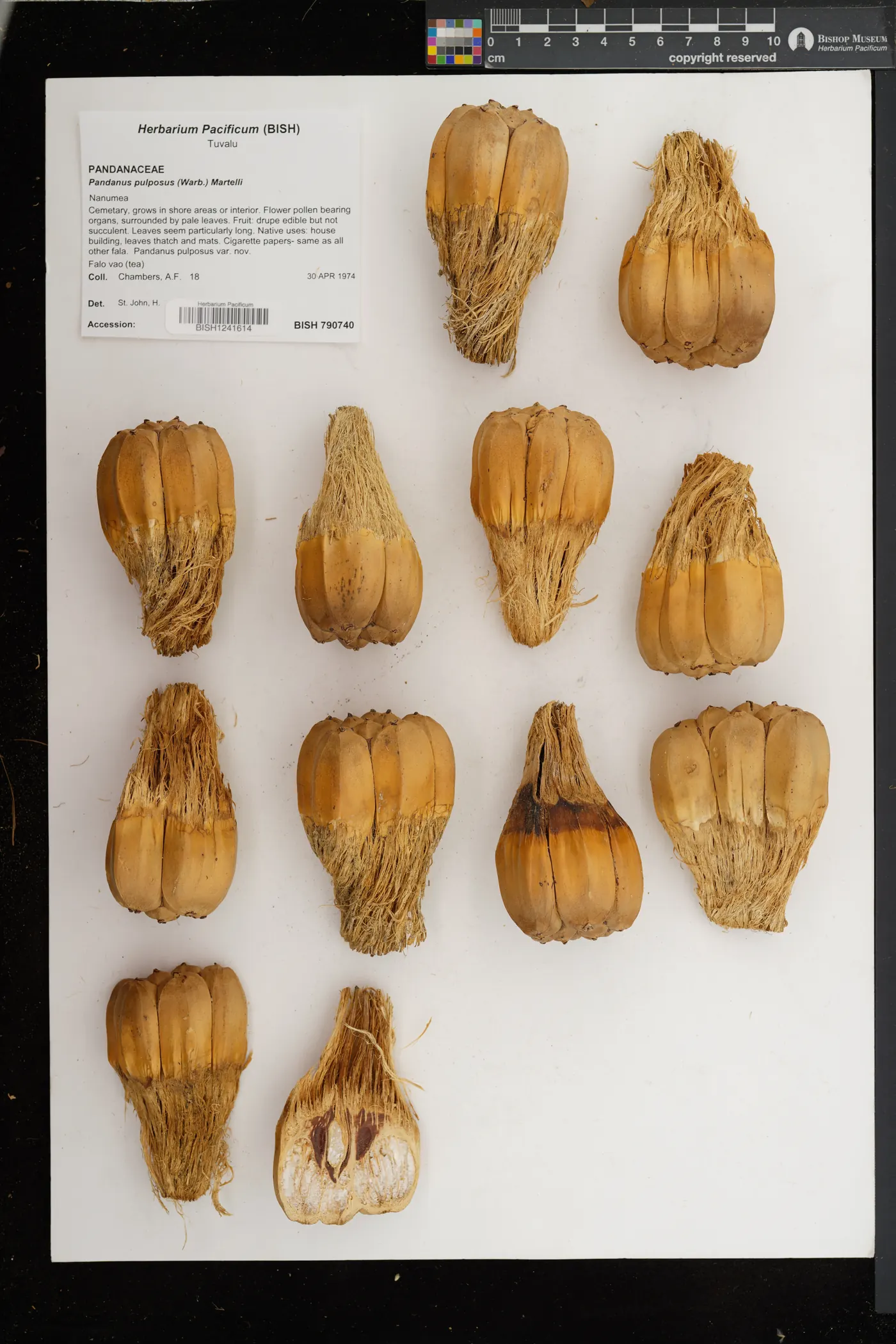
BISH 790740 · Pandanus pulposus (Warb.) Martelli · Tuvalu · 1974
And a model, trained here
half a second, no server
Three questions, easy to hard. The third is step 03 above, attempted with the wrong tool — plain measurements of a whole sheet — and it is meant to fail. Watching it fail is the clearest argument for doing it properly: a model that looks at the fruit, trained on specimens a botanist has marked.
What you are about to train
Is this specimen a fern?
Ferns look different from flowering plants at a glance — frond outlines, no flowers, a different way of filling the sheet. A simple model should do well, and if it does not, something is wrong with the setup rather than with the problem.
Split by species, not at random — every sheet of a species goes to one side or the other, so no near-duplicate of a training sheet can appear in the test. Splitting randomly would raise the score and mean nothing.
The modelling is not the expensive part and has not been for years. The labels are.
No museum field and no field-observation vocabulary separates green fruit from ripe. It is visible in the photograph and nowhere else. So people with botanical training mark it up, and a model learns from what they mark. The scoring tool splits fruit into immature, mature and dispersing, hides the collector’s own note until after you commit, and runs on the keyboard.
Try scoring a specimen →The collection
Search all 8,590 Hawaiian specimens →


And the seed laboratory's half — measured and photographed, the reference an identification is checked against · the reference library →
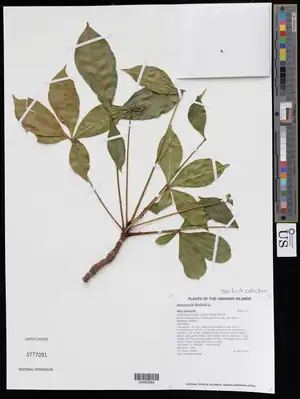
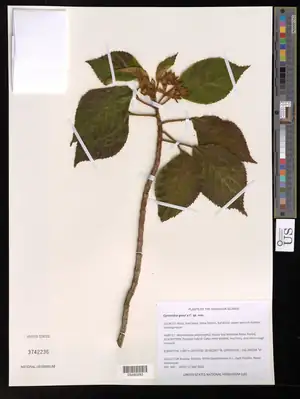
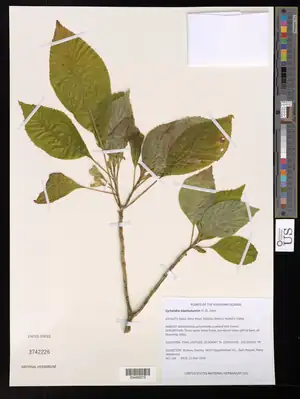
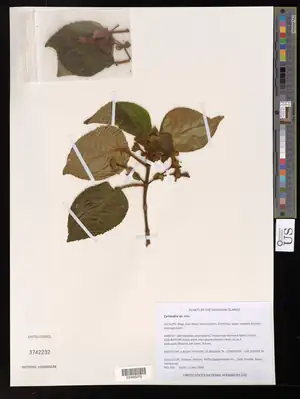
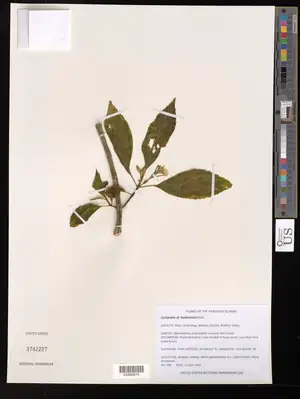
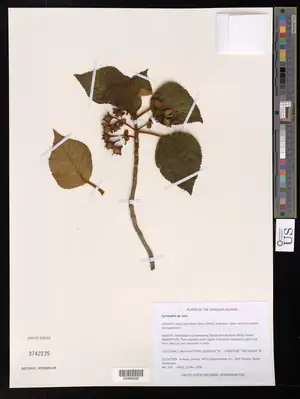
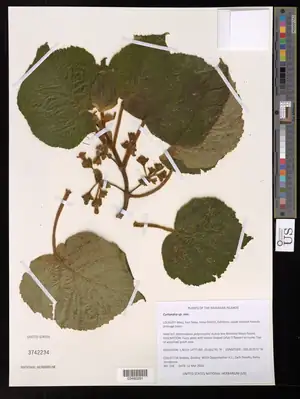
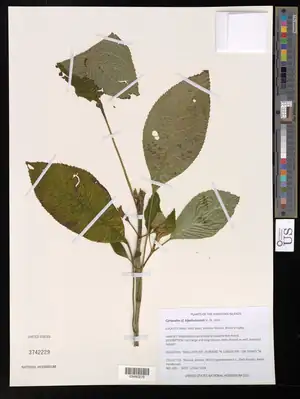
Served by the museums that hold them — this project stores pointers, never copies · see all 2,100 →
Specimens are searchable by island, elevation, family, museum, and by what the collector recorded about reproduction. A worked example follows one species end to end.