Worked example · one species, end to end
Lantana, and everything we do and don’t know about when it seeds
Lantana is on every island and on most management plans. It is also, by a wide margin, the best-documented major invasive plant in this collection. So it is the fairest test of what a century of museum specimens can actually tell a crew leader — and the clearest picture of what is missing.
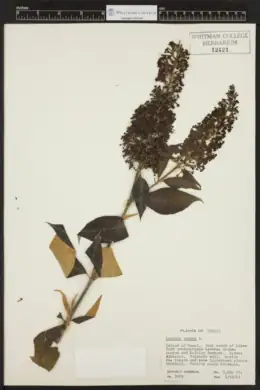
What is in the drawer
- 25
- specimens from Hawaiʻi
- 2
- islands represented
- 1895–1980
- collected
- 9
- with an elevation
- 7
- recording flowering or fruiting
- 95
- of the same species elsewhere
The number that matters
Of 25 Hawaiian specimens, only 7 carry both a date and a note about what the plant was doing. That is the entire Hawaiian evidence base for the reproductive timing of one of the state’s most managed weeds — and Lantana is the best case in this collection.
Not because the specimens are poor. Because nobody has gone through them and written down what is plainly visible in each photograph.
What the records say, month by month
Hawaiʻi only
7 dated records
flowering
fruiting
Too few records to call a season. Any peak here could move with the next dozen specimens scored.
The same species, worldwide
21 dated records
flowering
fruiting
A fuller picture of the plant’s cycle, but collected in other climates and other hemispheres. Useful for shape, not for scheduling work on Maui.
Where they were collected
1 of 25 Hawaiian specimens carry coordinates
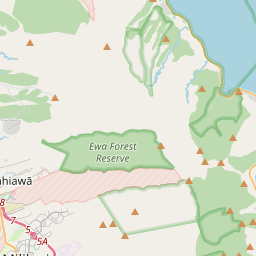
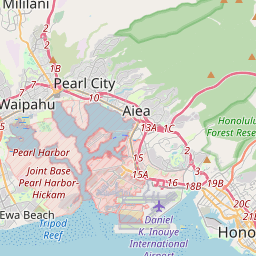

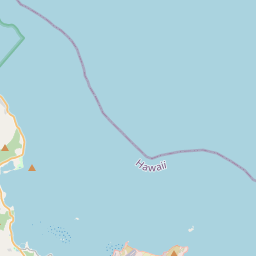
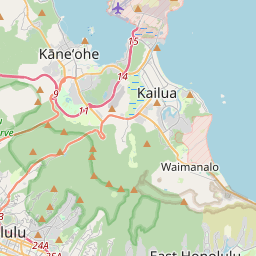
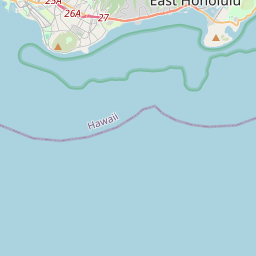



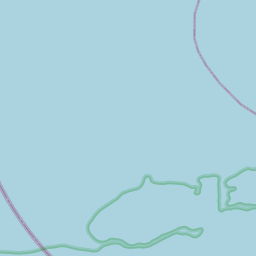

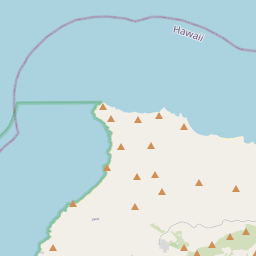

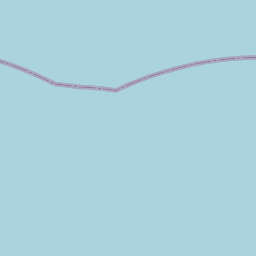
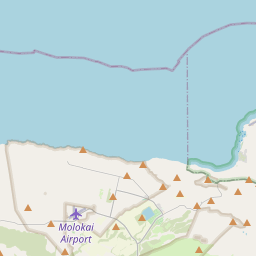
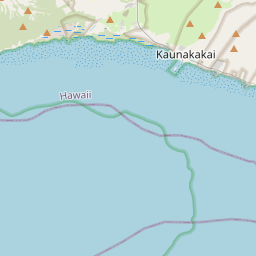
Each dot is a real collection point. Brown marks a specimen recorded in fruit, pink in flower, grey no reproductive note at all — which is most of them. Timing has to resolve to this level, because a date that fits leeward Oʻahu will not fit windward Maui.
Three things stand between this and a usable calendar
Volume
7 scored records cannot support a monthly recommendation. There are 25 Hawaiian specimens of this species already loaded and far more undigitised — the information is sitting in the images, unscored.
Scoring, not collecting. The specimens exist.
Ripeness
Every one of these records says only “fruiting.” None says whether the seed was viable. That is the distinction that decides whether a treatment prevents spread or causes it, and no museum field records it.
Only visible in the photograph.
Place
Lantana here spans 2 islands and, where elevation was recorded, a wide range of it. A single statewide date would be wrong nearly everywhere; timing has to resolve by island and elevation.
The data supports this once volume exists.
The specimens themselves
See all 120 in the catalog →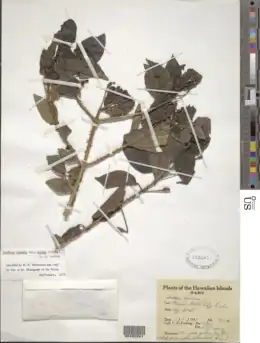
Lantana camara
Verbenaceae · US · 1933
Hawaiian Islands
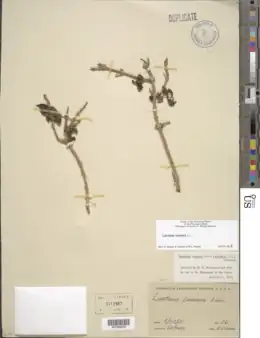
Lantana camara
Verbenaceae · US · 1931
Hawaiian Islands
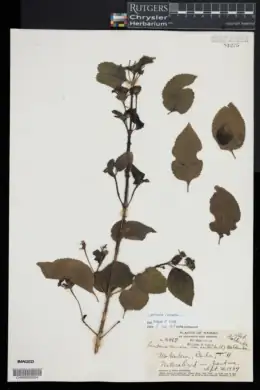
Lantana camara
Verbenaceae · CHRB · 1937
Hawaiian Islands
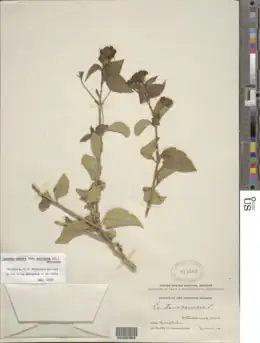
Lantana camara
Verbenaceae · US · 1916
Hawaiian Islands
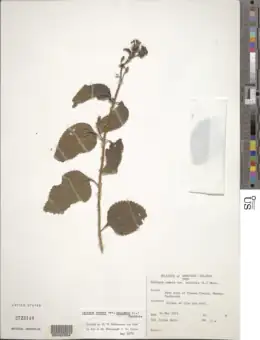
Lantana camara
Verbenaceae · US · 1974
Hawaiian Islands
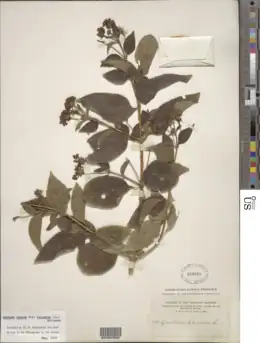
Lantana camara
Verbenaceae · US · 1895
Hawaiian Islands
Each of these is a photograph of a real plant, collected on a known date at a known place. Whether it was in flower, in green fruit or in ripe fruit is visible in every one — and recorded in almost none.
What closing the gap takes
Nothing here needs a new field programme or a new collection. The plants were already collected, the photographs already exist, and the software that finds and files them already runs on its own. What is missing is people with botanical training working through the images, and a model trained on what they mark so the remainder can be done at scale.