01 · The plant
Fruit and seed presence
Does this sheet indicate collectable seed at that date and place?
- Status
- In development
- Field
- Empty — nobody is doing this
- Who wants it
- Seed banks, restoration nurseries, ex-situ conservation.
Why it matters
Seed banks need to know when a population fruits before they send a team. The question is not academic phenology — it is whether a collecting trip in April will come home with anything.
What it needs
A class definition written by a botanist, and labels that separate immature from mature from dehisced.
State of the art
Open. The flowering models routinely mistake fruits for flowers, which means the signal is present and unseparated.
The working set
225 sheets in the harvest match this head’s starting slice
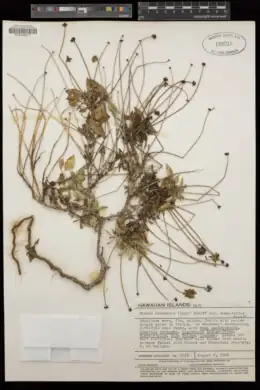 fruiting
Bidens mauiensis
Asteraceae · RSA · 1966
Hawaiian Islands
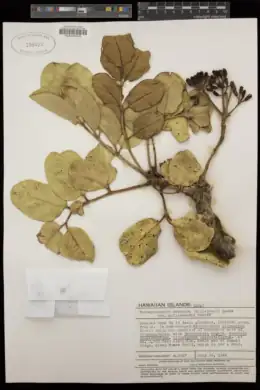 fruiting
Tetraplasandra meiandra
Araliaceae · RSA · 1966
Hawaiian Islands
 fruiting
Bidens mauiensis
Asteraceae · RSA · 1966
Hawaiian Islands
 fruiting
Bidens macrocarpa
Asteraceae · RSA · 1964
Hawaiian Islands
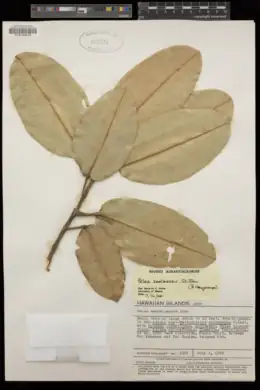 fruiting
Pelea kaalaensis
Rutaceae · RSA · 1966
Hawaiian Islands
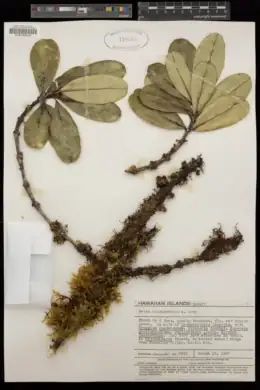 fruiting
Pelea clusiaefolia
Rutaceae · RSA · 1967
Hawaiian Islands
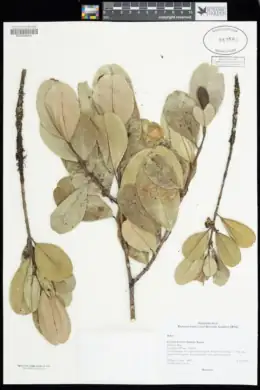 fruiting
Pelea
Rutaceae · RSA · 1974
Hawaiian Islands
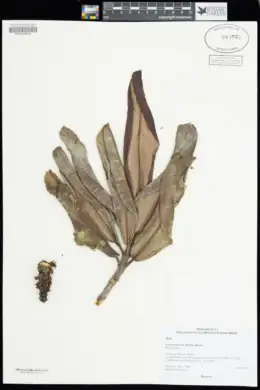 flowering
Pelea
Rutaceae · RSA · 1974
Hawaiian Islands
The training set that exists today
controlled-field labels · no OCR, no keyword guess
Every sheet below carries a phenology score a collector wrote into reproductiveCondition — the controlled field, not a guess read off the image. This is what a fruit model would train on, and it already exists in the harvest.
3,879
scored sheets
1,317
carry fruit
171
families
23%
is Fabaceae
By phenophase
- flowering3,038
- fruiting1,317
- budding410
- vegetative57
A sheet can hold several phenophases at once, so these sum past the sheet count. Scored by RSA and MEL.
By family — and the skew to fix
- Fabaceae881
- Asteraceae389
- Brassicaceae224
- Lamiaceae194
- Rosaceae180
- Rutaceae102
- Ericaceae98
- Myrtaceae94
known limitation
The set skews to Fabaceae at 23% of all sheets. A model trained on it as-is would be strongest on the families best represented here — the exact stratification trap the flower-scale work flagged. Only 12 families clear twenty fruiting sheets. Closing that gap is a stated aim, not a hidden flaw: the annotation bench exists to fill the underrepresented families first.
Next head
Leaf morphometrics →