Four deliverables
What this project delivers
Two tools, one reference library, and permanent free access. Where something already works you can try it on this page. Where it does not yet exist, that is said plainly.
- 01
Seed identification tool
Partly builtPhotograph an unknown seed, or describe what you can see, and get ranked matches.
Mobile-responsive and AI-assisted, covering 100 priority invasive and high-risk species. Returns ranked candidates with comparison images, trait information and a confidence score for each — so an inspector at a port or a crew in the field can act on a find rather than bag it and wait.
Try the key on 38 species →


Object scale
Propagule
What remains
The describe-what-you-see path works now. The photograph path needs the reference library below before a model can be trained on it.
- 02
Seed image and trait reference library
Partly builtA public, standardised set of seed photographs and measurements for those 100 species.
Z-stacked high-resolution imaging at consistent orientation and scale, with associated trait data, openly published. It supports identification and verification directly, trains the tool above, and gives agencies a common reference when they need to agree on what something is.
See the record standard →Object scale
Propagule
What remains
The schema, the imaging standard and the vocabulary are settled and already in use for native species. What the funded work adds is the imaging of 100 priority non-native species to the same standard.
- 03
Interactive phenology platform
Working nowWhen does each species flower and set seed — by month, island and elevation?
Up to roughly 1,000 invasive and non-native species, so surveys are scheduled when a plant is visible, control happens before viable seed, and biocontrol releases meet the host stage they need. Built from museum specimens that already record what a plant was doing on the day it was collected.
Open the timing calendar →Object scale
Sheet
- 04
Free public access, permanently
Partly builtEverything open, on SeedsOfHawaii.org, and folded into PlantsOfHawaii.org.
Tools, images, trait data and species-level outputs, free and without accounts. Specimen images stay hosted by the institutions that own them, so nothing depends on this project continuing to pay for storage — the outputs survive the funding period.
Browse the specimen data →Object scale
Collection
What remains
Deployment to SeedsOfHawaii.org and integration with PlantsOfHawaii.org.
Why one project rather than two
A seed and a pressed plant are the same problem at different sizes: find the object in a photograph, measure something about it, record who says so. The software that does this for herbarium sheets is running now on 8,590 Hawaiian specimens. Pointing it at seed photographs is a change of subject, not of method — which is what makes both deliverables reachable in one year.
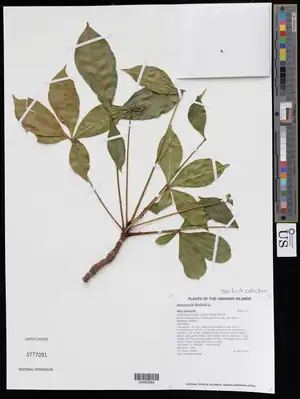
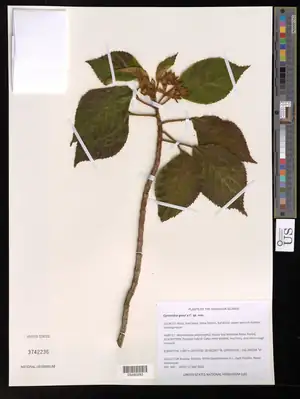
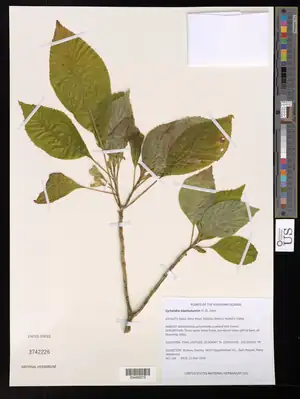
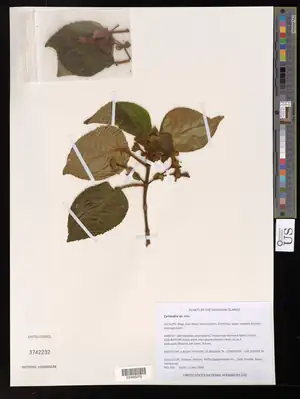
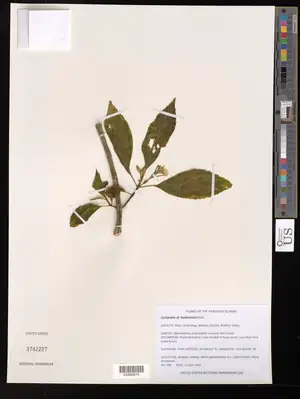
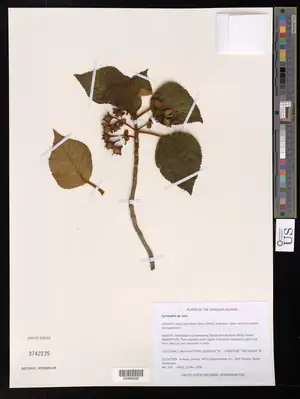
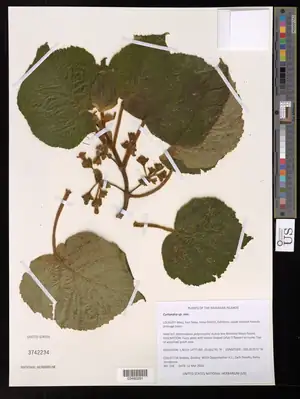
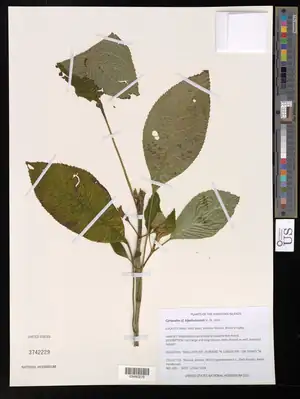
Herbarium specimens — the deep record, a century and more · see all 2,100 →
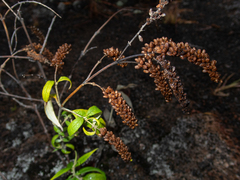 fruiting
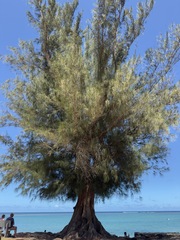 fruiting
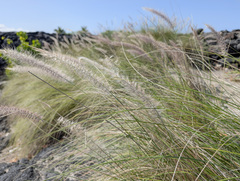 fruiting
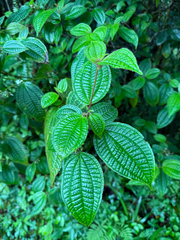 fruiting
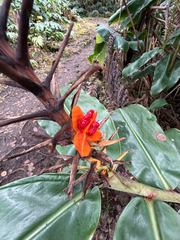 fruiting
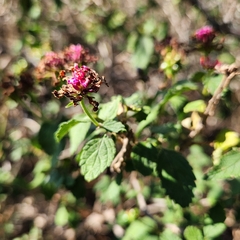 fruiting
Field photographs — dense, current, located to the metre · Ocean Fleskes, Dulcey Lima, Eric Jain, Malena Lacque and others, licensed under Creative Commons · see the coverage →